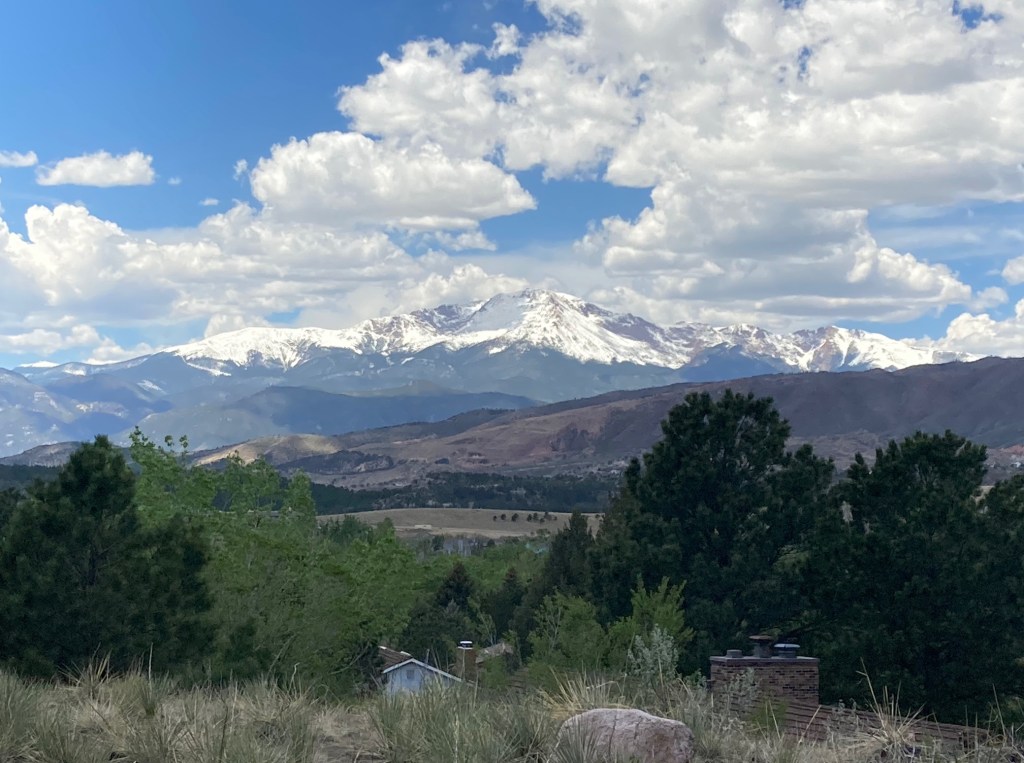
If you’ve ever run or exercised at high altitudes before, you know it is NO joke! High altitudes are generally areas that sit at elevations of 5,000-8,000 feet above sea level, and the effects of altitude on the body can vary widely from person to person. At high altitudes, it can be harder for the body to breathe, stay hydrated, or move/exercise easily.
The first time I worked out at high altitude, I felt great! For about two hours, then I immediately began to feel the physical demands of high altitude, and my body was completely spent (when it wouldn’t normally have been). Since that first workout, I have learned so much about conditioning my body to exercise and run at altitude, and it is worth taking the time and care to do so! If you are trying to acclimate to running at altitude, or are getting ready to relocate to an area well above sea level, these tips below should be a great help to you!
1. Give yourself time to acclimate: if you are new to altitude, don’t push yourself! Your body needs time to get acclimated to the changes in atmospheric pressure and the thinner air of your new environment. Take time off from exercise, or really ease yourself into it by walking or exercising at low-intensity in smaller doses.
2. Drink more water than you think you need: when I moved to my current town, I was told that you should always drink more water than you think you need. As altitude increased, moisture in the air decreases. As a result, the atmosphere has a lot less water to offer you, and will even try to draw water from you (skin tends to get much drier at higher altitudes). Keep yourself well hydrated throughout the day, and up your intake significantly before, during, and after you exercise.
3. Increase your protein and food intake: I noticed that I felt far hungrier after exercise when I moved to Colorado than I did at sea level. At higher altitudes, your body needs more nutrients, protein, and fuel to function well. When you exercise, you are putting an even greater demand on your body to perform, and you will need additional, well-balanced nutrition to meet that need at altitude.
4. Electrolytes! Since it is more difficult for your body to stay hydrated and retain moisture at high altitude, supplementing water with electrolytes can be extremely helpful in hydrating well. Even without exercise, a number of individuals feel the immediate benefits of consuming electrolytes at high altitude. Post-exercise, electrolyte powders and beverages can help to replenish water, salt, and even some sugars your body has lost, and this will help you to feel tremendously better and not nearly as exhausted.
5. Don’t overdo it: For the first 2-4 weeks you are at altitude, or if you are temporarily exercising in a high altitude area, dial it down! Your body is going to feel the effects of being at high altitude, and needs time to adjust. The first few weeks at altitude are not the time to try and set new speed or distance records on your run, or to exercise at a harder intensity than you normally would. For even healthy individuals, putting too much strain on your heart and lungs at high altitude too quickly can have dangerous physical consequences, such as altitude sickness or even heart issues. Give yourself the time and take extra good care of yourself, you need it!
 The Reasonable Runner
Leave a comment